
Ice Watch in London has run out. A huge thanks to everyone involved in the project and to everyone who took the time to come by and have an experience with the glacial ice. We hope that Ice Watch created feelings of proximity, presence, and relevance, of narratives that you can identify with and that make us all engage.


Seu corpo da obra (Your body of work), Art and Science Museum, Singapore. Photo: Katia Zavialov. The work was first exhibited at SESC Pompeia, Sao Paolo, in 2011, where it took up a dialogue with Lina Bo Bardi’s exceptional building. Transparent sheets of foil - in cyan, magenta, and yellow - are suspended from the ceiling to form a maze. Additional colours appear when these hues visually overlap, forming compositions that continually change in response to the viewer’s movement through space. Seu corpo da obra was inspired by the work of Brazilian artist Helio Oiticica.

Little Sun's global impact to date - check out their year 2018 in pictures

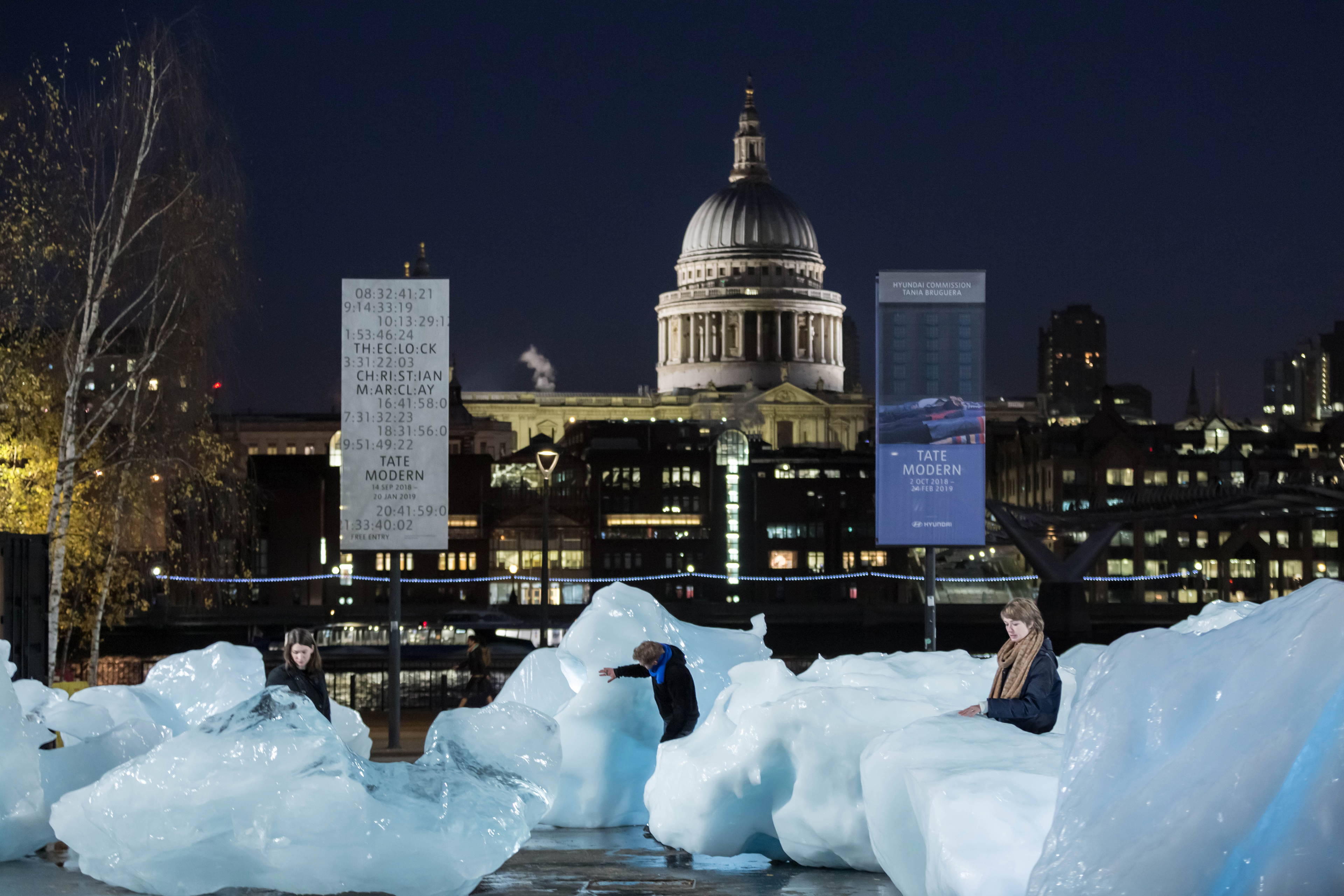
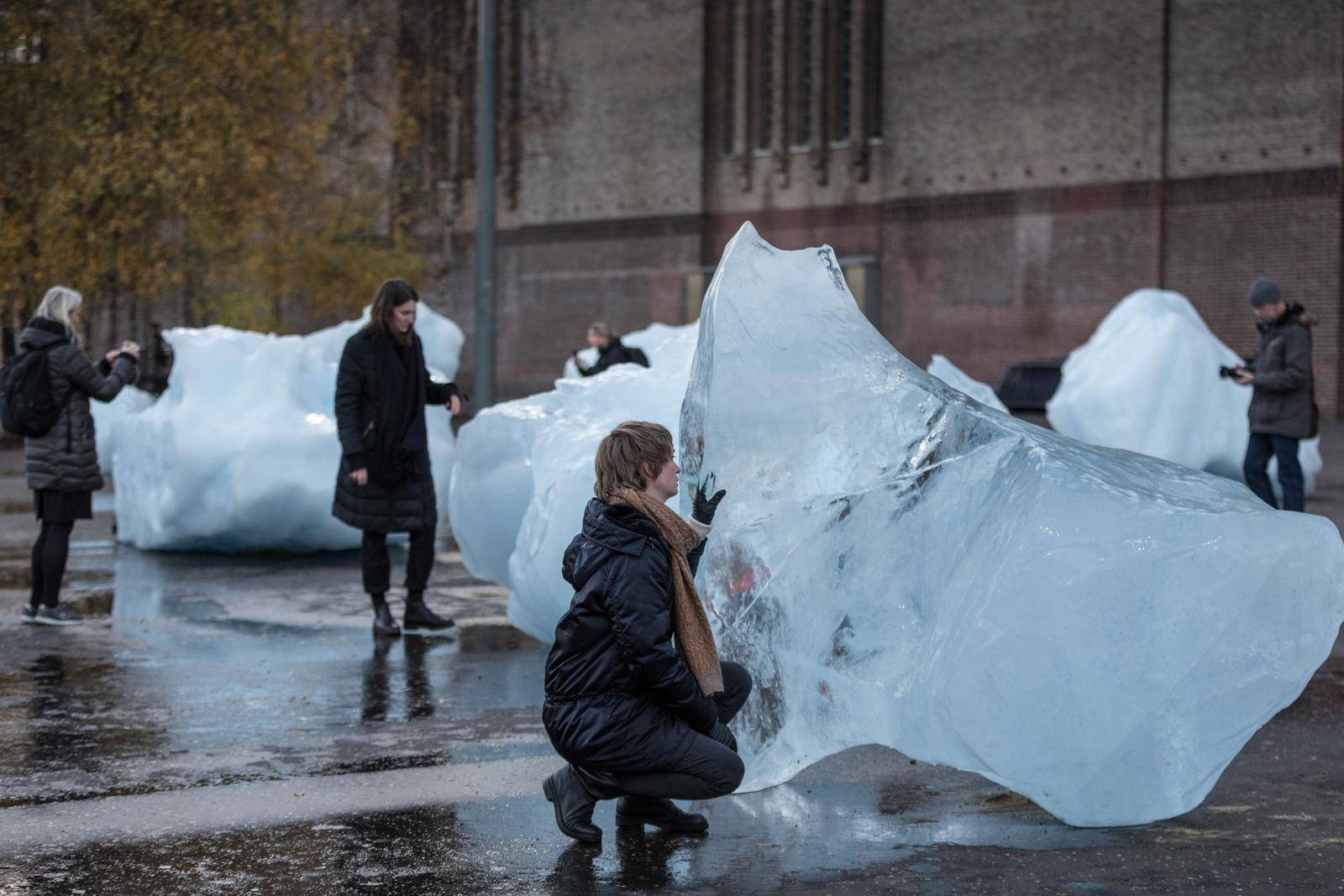
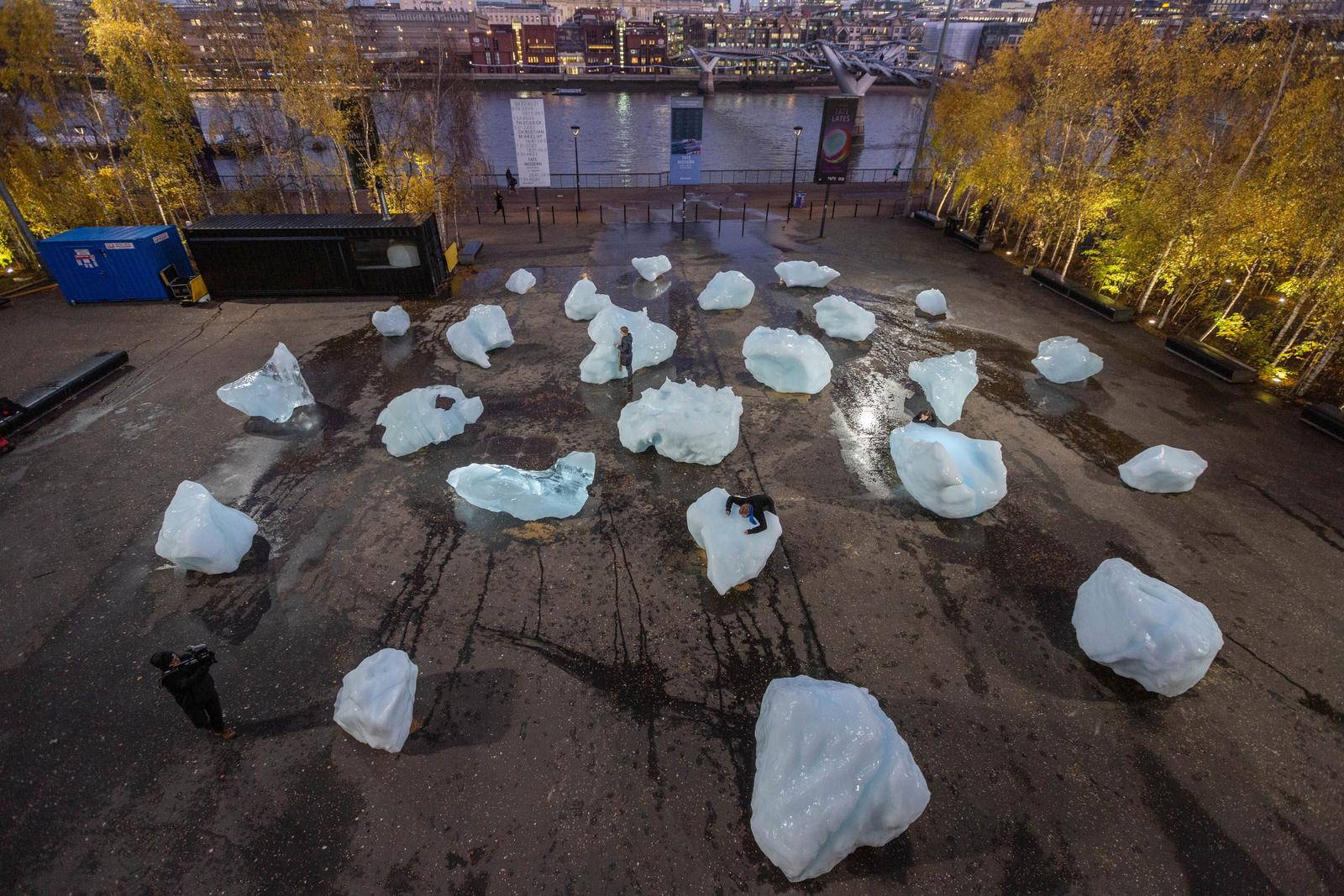
Ice Watch, in front of Tate Modern, London


Ice Watch opens today on Bankside, outside TATE Modern, and in the City of London, outside Bloomberg’s European headquarters
11 December 2018 until the ice has melted
Follow the journey of the ice: icewatchlondon.com
#IceWatchLondon
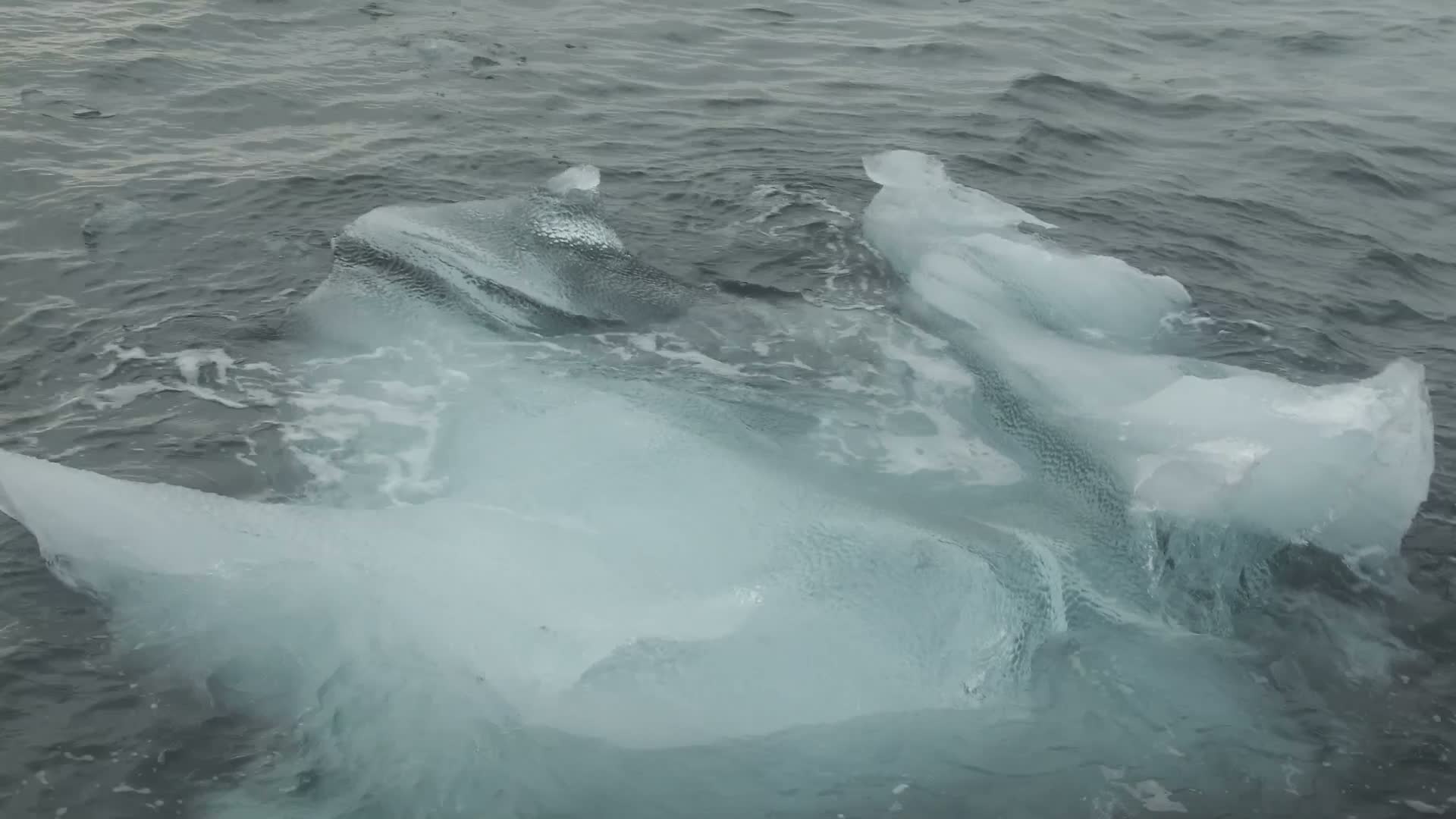
Ice Watch is coming to London! #icewatchlondon
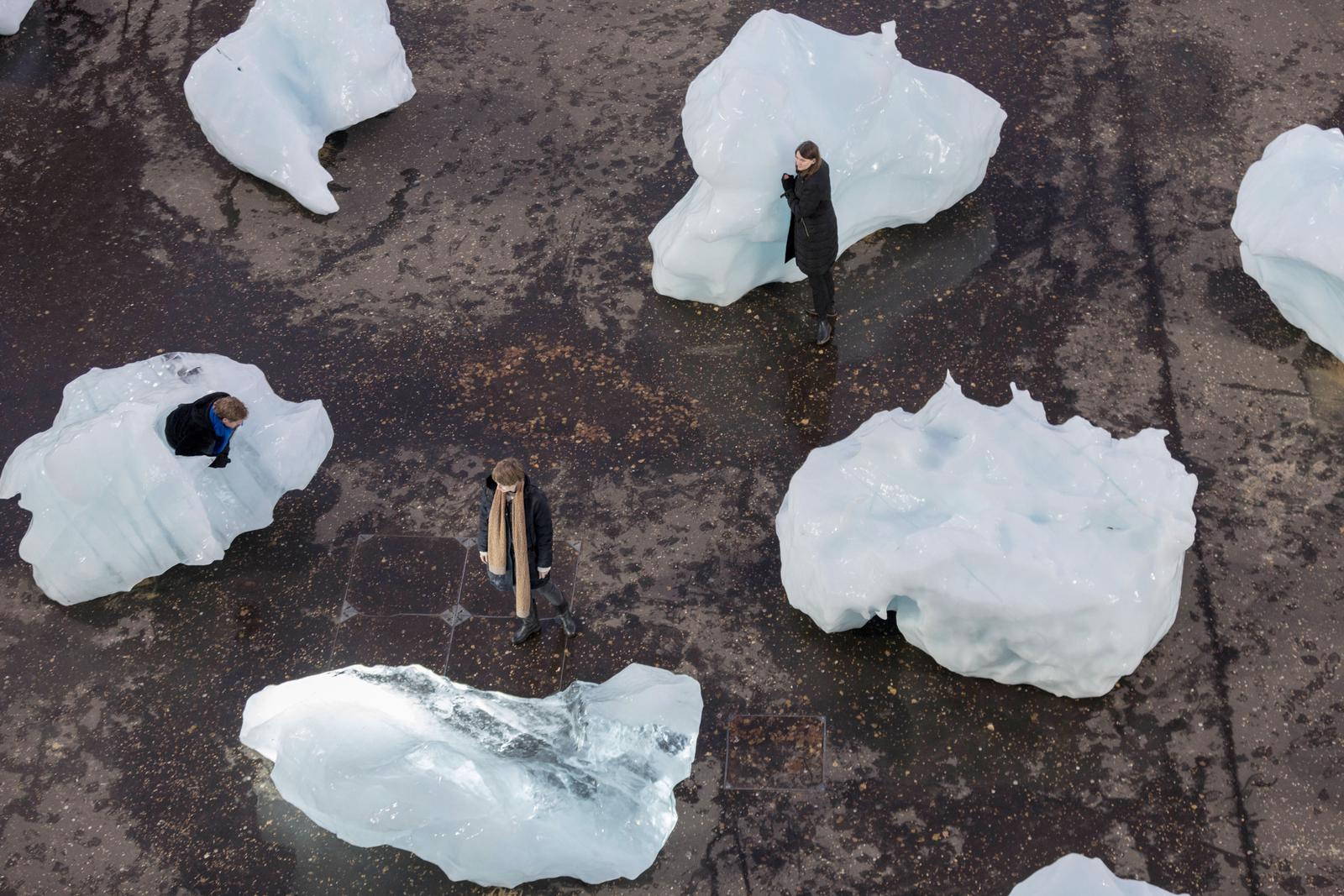
24 blocks of glacial ice will be arranged in a circular grove on Bankside outside TATE Modern, and six additional blocks outside Bloomberg's European headquarters. Follow the journey of the ice: icewatchlondon.com
Many people have been commenting today to share their concerns about the carbon footprint of Ice Watch London. This question is absolutely worth asking. We think it is valid to hold cultural projects and institutions to a high standard, especially those addressing climate change head-on.
The fact is, everything we do – including everything we do to take on climate change – has a carbon footprint. Often we only think about this when it is explicitly addressed by the work, as in the case of Ice Watch, a work that is intended to raise awareness and inspire climate action, but this question needs to be asked about all activities – every government summit, business meeting, music concert, art exhibition, trade fair, and even google search. It needs to be part of our thinking as a society.
It is important for Olafur and for the Studio to have a clear picture of the environmental impact of bringing Ice Watch to London. That is why we have partnered with Julie's Bicycle (a sustainability charity for the arts sector) to calculate the project’s carbon footprint. While this report will not be completed until the end of the project, Julie’s Bicycle has estimated that Ice Watch will consume 35 tonnes of CO2e. That’s a lot, but to put it into perspective, it is the equivalent of flying 33 people roundtrip from London to Nuuk, Greenland, to visit the melting Greenland ice sheet for themselves.
So while we are very conscious that a project like this carries a non-negligible carbon footprint, it needs to be viewed in relation to the thousands, even millions of people who will be reached by it in London and around the world. Simply showing people films, photographs, and articles is important but not necessarily sufficient. People need to face the tangible consequences of their actions, need to be able to see and feel what we are losing. That experience is what we are bringing to millions of people in one of the decision-making centres of the world. After many years of traditional campaigning, we are now all looking at more direct, forceful, and experiential ways of encouraging people to stop, engage, think, and move towards taking action.

'It is clear that we have only a short period of time to limit the extreme effects of climate change. By enabling people to experience and actually touch the blocks of ice in this project, I hope we will connect people to their surroundings in a deeper way and inspire radical change. We must recognise that together we have the power to take individual actions and to push for systemic change. Let’s transform climate knowledge into climate action!' – Olafur Eliasson icewatchlondon.com

Glacial currents, 2018 - watercolour, glacial ice and ink on paper
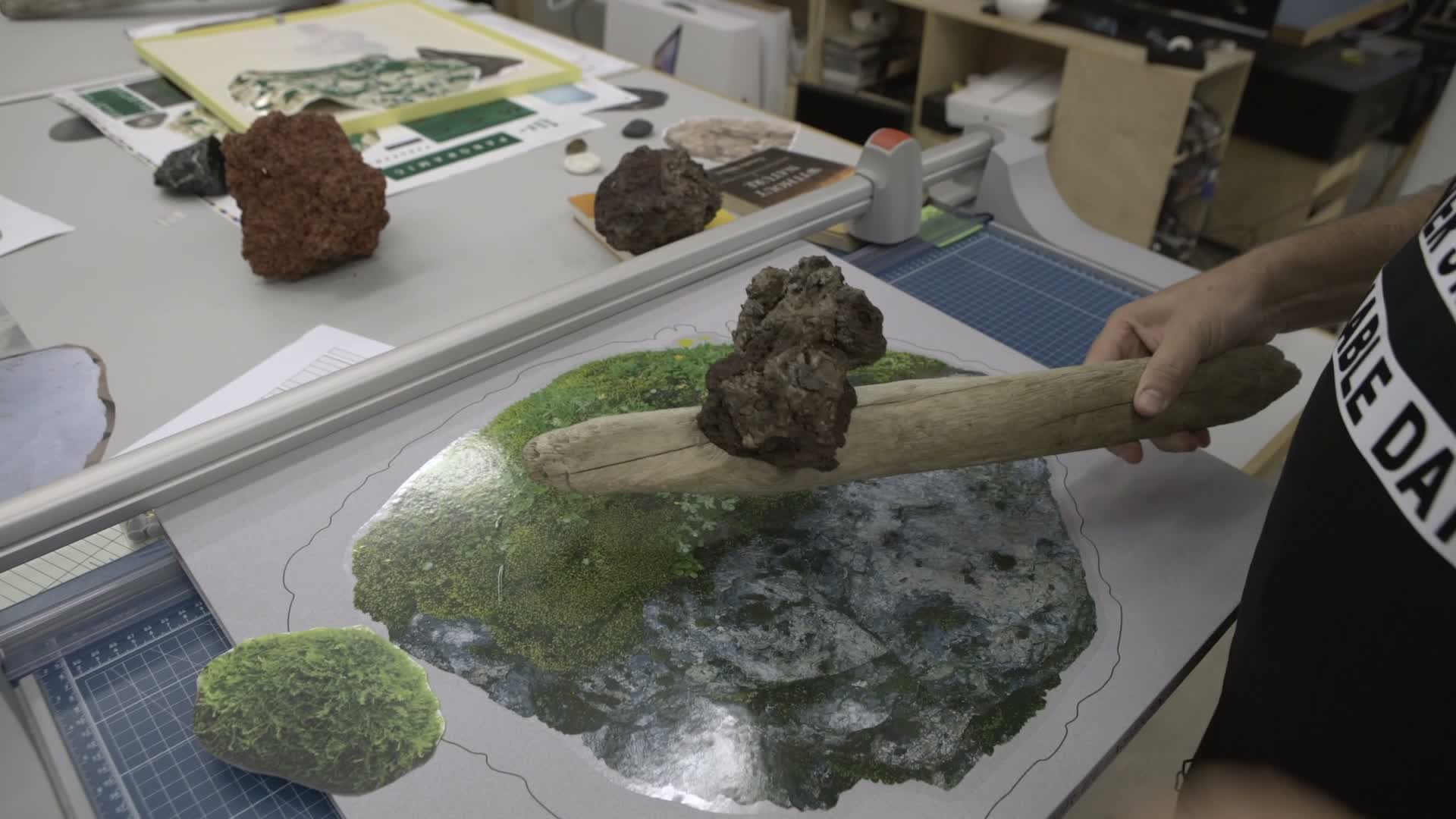
For our new collaboration with Rimowa, we've produced a collection of stickers with phrases and images of everyday treasures like rocks, moss, and driftwood that allow people to create a meaningful constellation of ideas on their suitcases that can act as an inspiring reminder, when they are away from home, of where they have come from and where they would like to go – all proceeds are going to the Little Sun Foundation to help them realise their mission: delivering solar energy to the most vulnerable communities in the world.

Save the climate - stop coal! This Saturday in Berlin (Kanzleramt) and Cologne (Deutzer Werft) at 12:00

Access to energy is key to human existence: it affects social life, work, education, and health. In rural areas of Zanzibar, much like in most of Sub-Saharan Africa, missing electricity makes healthcare more complicated. As part of Little Sun's mission to make universal access to clean energy a reality, we have been working hard on delivering solar-powered devices in remote areas to ease access to health services and improve livelihoods. In rural areas of Zanzibar, almost half of Zanzibari women deliver their children at home due to lack of money for transport, traditional practices, or lack of planning. Community Health Volunteers help pregnant women overcome these barriers and provide advice around key health topics. As many of the Volunteers lack electricity in their homes, Little Sun has equipped 250 of them with portable solar-powered phone chargers. The chargers provide the reliable energy needed to power their most important tool: the smartphone. With the seen success of the collaboration, the Little Sun Foundation has now pledged to donate 500 more Little Sun Charges, aiming at equipping all Community Health Volunteers with a solar phone charger, so that they can work efficiently in assuring safe and high quality health care to the women and families who need it.

'I once found myself in the situation that I had to pick up an expectant mother at night. I took my Little Sun Charge with me, because I never leave it behind. Along the way it so happened that the women could not wait any longer and we had to prepare for her birth in the car. Our roads are terrible and the vehicle was small. But the solar light helped us a lot. It lit up the birth and I could help in the delivery – all went well.' – Amina Rashid Bakari, Community Health Volunteer, Zanzibar
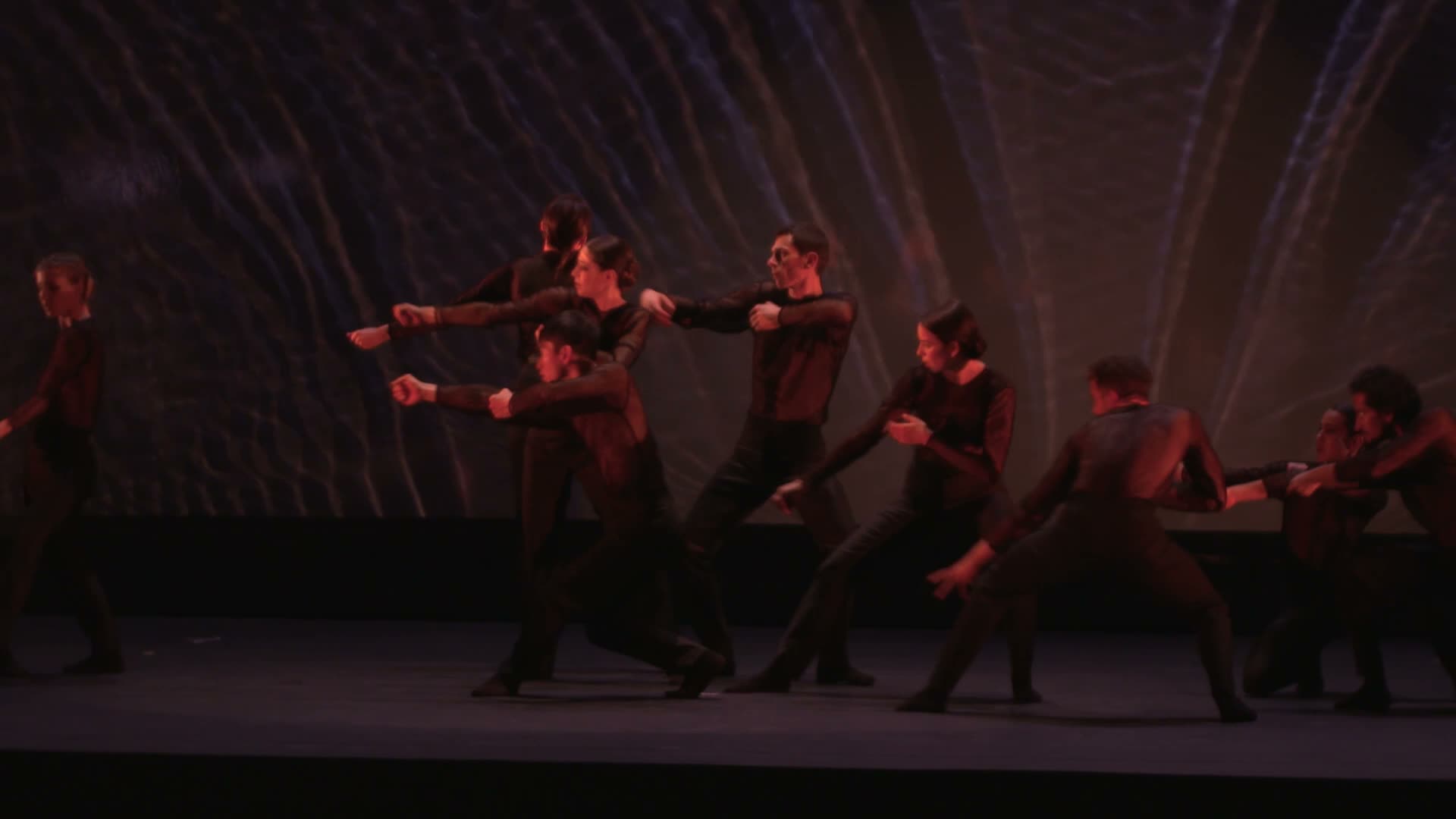
Hippolyte et Aricie at the Staatsoper, Berlin

Today: We’re excited to host the launch of Mary Robinson’s new book Climate Justice. The event will be live streamed on soe.tv from 18:30 Berlin time.

Hippolyte et Aricie at the Staatsoper, Berlin, premieres on 25 November, written by Jean-Philippe Rameau, directed by Aletta Collins, conducted by Simon Rattle, with stage and costume design by Olafur Eliasson.

Congratulations to Little Sun, who just won the Creator Award for Best Non-Profit last night in Berlin!

Opening today in Singapore: Seu corpo da Obra (your body of work), 2011, ArtScience Museum, and Room for one colour, 1997, National Gallery Singapore
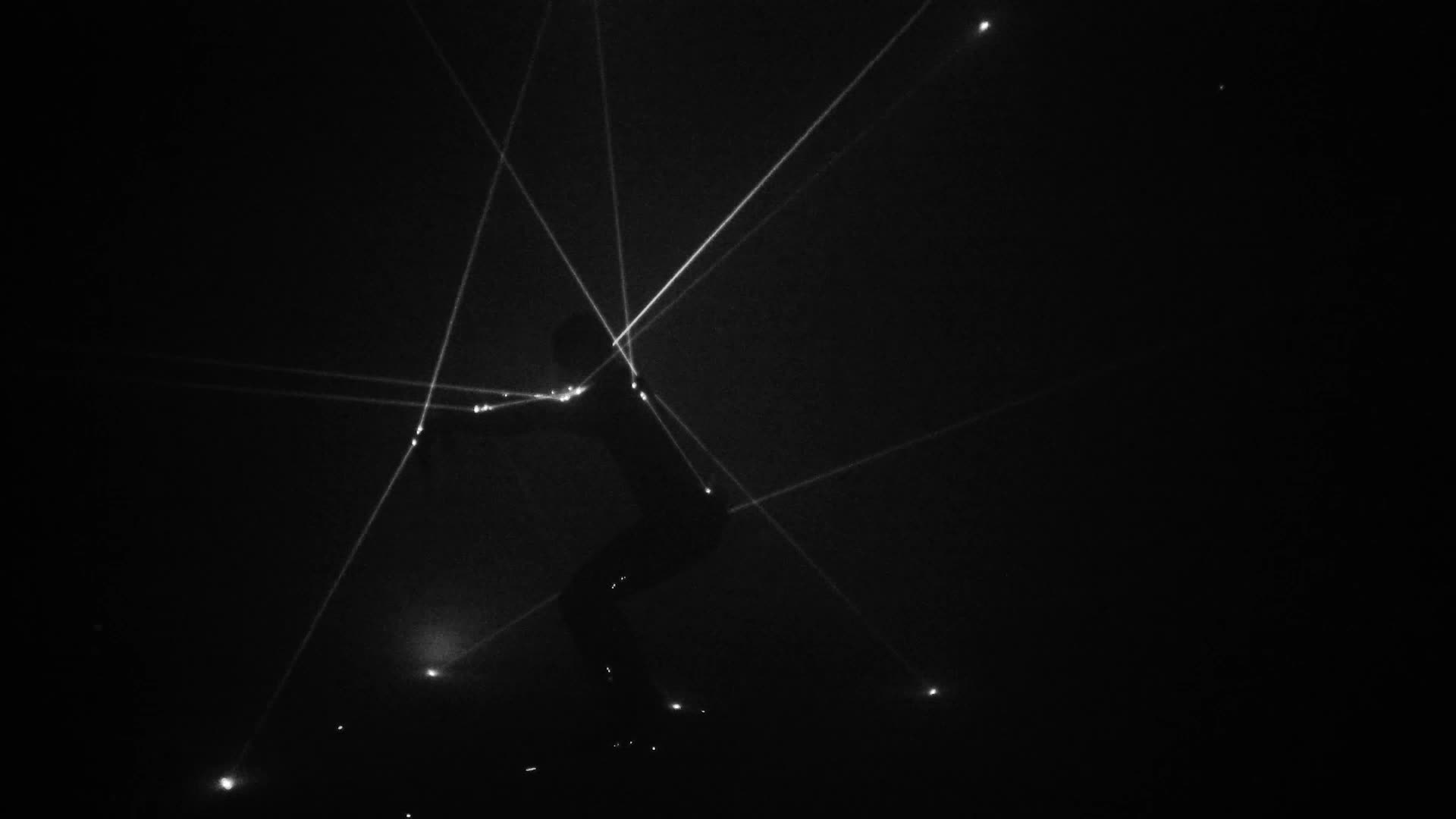
Parallel to the development of the design for the opera Hippolyte et Aricie at the Staatsoper in Berlin, the studio collaborated with artist Benjamin Skop, whose work studies the movements of the human body, in a series of videos. In this video, Skop amplifies his movements with lasers to produce ephemeral, geometric shapes.

Tomas Saraceno - On Air, Palais de Tokyo. 'Which synaesthetic modes of perception do we need to re-sense the world we live with? Algo-r(h)i(y)thms is an invitation to join a three-month long cosmic jam session, playing with, and becoming part of, a network of unexpected encounters. When you touch the strings, they resonate at different frequencies, some audible and some beyond the human range of hearing, as infrasounds.'

For the visual concept of the upcoming run of ‘Hippolyte et Aricie’ at the Staatsoper in Berlin, Olafur has approached the costuming as part sculpture, part body extension. This opera’s concept finds historical sympathies with the work of the visionary German painter, sculptor, choreographer, and costume and set designer Oskar Schlemmer, associated with the Bauhaus school. Having produced many works that crossed creative disciplines, Schlemmer described his performance as ‘artistic metaphysical mathematics’ and a ‘party in form and colour’. Parallel to his artistic career, the West had entered into the automated era, and Schlemmer’s theatre productions reflected a kind of romantic pursuit of detached forms through abstraction of performers’ bodies. In his costuming concepts, he would use geometric forms to dramatically extend limbs into space, blurring the boundary between costume, architecture, and stage set. The effect was that the players would appear robotic, ‘post-flesh’, while the combination of costume and dance made an emotional, human appeal to the audience.

